
Public
The mind games behind gambling understanding psychological triggers
The mind games behind gambling understanding psychological triggers
The Illusion of Control
Many gamblers fall victim to the illusion of control, believing they can influence the outcome of random games. This psychological trigger often leads players to employ superstitions or rituals in an attempt to sway luck in their favor. For instance, a player might consistently use the same betting strategy or, like many do when discussing a bitcoin casino, wear a particular item of clothing, convinced that these actions will enhance their chances of winning.
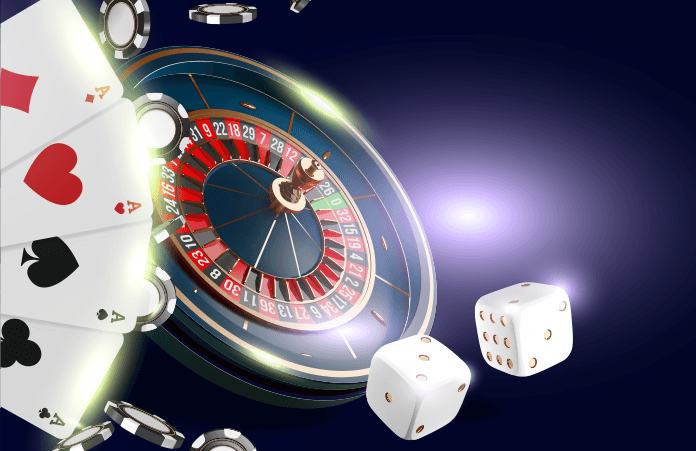
This phenomenon is rooted in cognitive biases, where individuals see patterns and connections in random events. When a player wins after performing a specific action, it reinforces the belief that their behavior impacts the game’s outcome, thus perpetuating the cycle of gambling despite the inherent randomness of games like slots or roulette.
The Thrill of Near Misses
Near misses can be particularly enticing in gambling, as they evoke strong emotional responses. Gamblers often experience a rush of adrenaline when they come close to winning, even if they ultimately lose. This thrill can create a compulsion to continue playing, as the brain seeks to replicate that high from the near miss.
Research shows that the brain’s reward system is activated during these near misses, reinforcing the desire to gamble further. This psychological trigger can lead players to chase their losses, believing that the next round might finally lead to a win, even though statistically, they are more likely to lose again.
The Impact of Variable Rewards
Variable rewards, a concept borrowed from behavioral psychology, play a significant role in gambling. Unlike fixed rewards, where outcomes are predictable, variable rewards create uncertainty, which can be more enticing. This unpredictability keeps players engaged, as they never know when they might hit a jackpot.
This type of reward system can lead to compulsive gambling behaviors. The anticipation of a potential win can overshadow the reality of frequent losses, creating a cycle that is difficult to break. Gamblers may continue to invest time and money, driven by the hope of that elusive big win, which can lead to detrimental financial and emotional consequences.
The Social Influence of Gambling
Social factors significantly impact gambling behaviors, as peer influence and social environments can trigger participation in gambling activities. In settings where gambling is normalized, individuals may feel increased pressure to engage, further enhancing the psychological allure of gaming.
Moreover, social interactions during gambling can amplify the excitement and emotional highs associated with the activity. Celebrating wins with friends or commiserating over losses creates a shared experience that can reinforce gambling habits. This social dimension adds another layer to understanding why individuals may continue to gamble despite negative outcomes.
About Colbert News Hub
Colbert News Hub serves as a premier source for the latest news and engaging articles across various topics, including gambling. With a focus on providing readers with insightful content, the website delves into the psychological aspects behind gambling behaviors and myths, aiming to enhance public understanding.
By offering a blend of current events and in-depth analysis, Colbert News Hub fosters informed discussions around the complexities of gambling and its psychological triggers. Readers are invited to explore and stay connected to gain a well-rounded view of the world around them.